
 Posted by
 The music world is in mourning following the passing of Dave Marsh, a venerable critic, author, and editor who helped shape the very language of rock journalism. Marsh passed away at his Connecticut home over the weekend at the age of 76, leaving behind a legacy that remains deeply embedded in the history of American music writing.
Rising to prominence as a young writer during the British Invasion, Marsh became a pivotal figure in the evolution of music criticism. His work was a cornerstone of Rolling Stone during its 1970s heyday, and his tenure as an early editor at Creem helped foster a subversive, irreverent style that challenged the status quo of music journalism. He was a writer who was never afraid to be open about his opinions, remaining steadfast in his passions throughout his career.
A Legacy of Deep-Dive Biographies
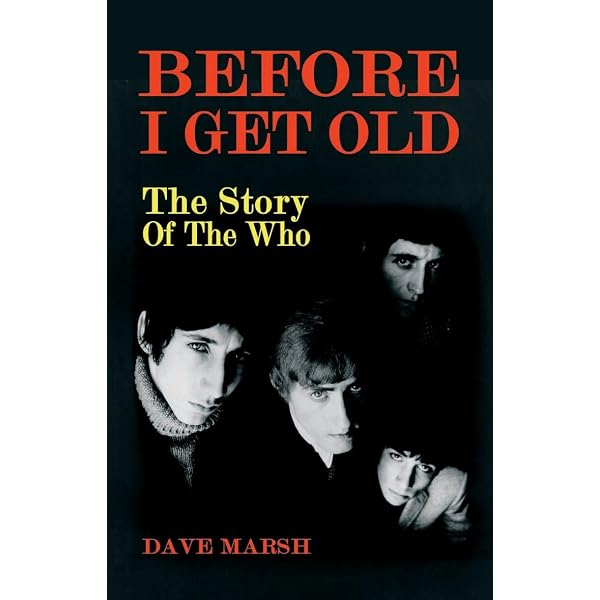
Perhaps best known for his authoritative work on The Who, Marsh was invited by Pete Townshend to London to research the band’s history. The resulting biography, Before I Get Old, remains a masterclass in music writing. It captured the band’s 1960s Mod roots with thrilling detail, never shying away from critiquing the group’s failings while simultaneously honoring his profound, lifelong love for their music.
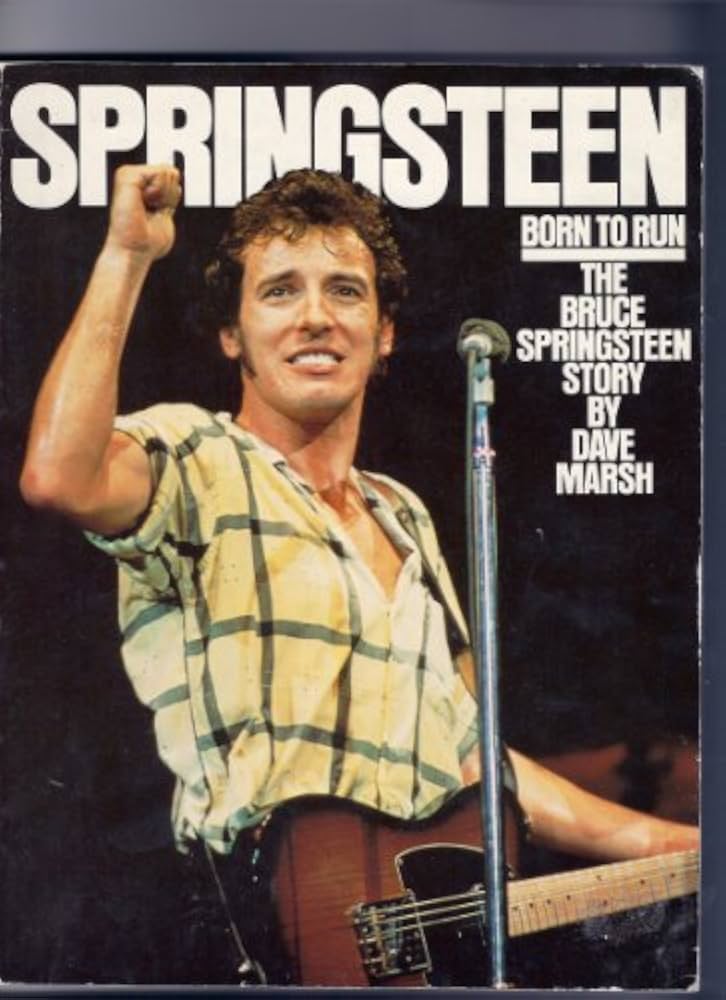
Beyond his work on The Who, Marsh was instrumental in documenting the careers of artists like Creedence Clearwater Revival and Sly & The Family Stone. However, his association with Bruce Springsteen is arguably his most celebrated contribution to the canon. From his 1979 book Born To Run onwards, Marsh was a tireless champion of The Boss, providing a critical framework for understanding the E Street Band’s cultural impact.
A Lasting Impact on the Industry
The news of his passing was confirmed by Jim Rotolo, host of the Springsteen-focused SiriusXM show The Wild & The Innocent. Rotolo noted that Marsh’s body of work spanned some 25 titles, and he was a key figure in the creation of E Street Radio. For 19 years, he also hosted Kick Out the Jams on SiriusXM, continuing to share his encyclopedic knowledge with a new generation of listeners.
Tributes have poured in from across the industry, including a heartfelt salute from E Street Band member Steve van Zandt. Reflecting on their long friendship, Van Zandt praised Marsh as a “fearless, relentless, arrogant” force—everything one would want in a rock ‘n’ roll troublemaker. He specifically highlighted Marsh’s brilliant work on the history of the song Louie Louie as a testament to his ability to capture the essential, untold stories of rock history.
Dave Marsh’s influence will continue to be felt by writers and music fans alike. His commitment to authenticity and his refusal to compromise his critical voice set a standard that few have matched. As the industry reflects on his contributions, it is clear that his voice, though now silenced, remains a vital part of the rock ‘n’ roll narrative.