
 Posted by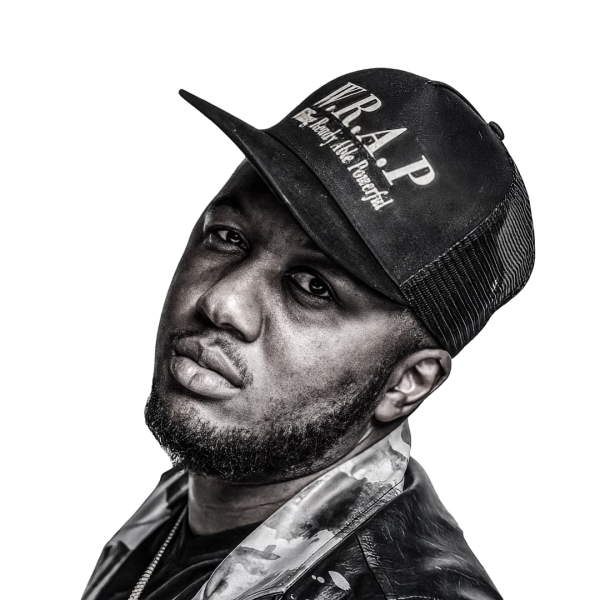
This article was written by Jonathan P-Wright, an award-winning journalist and Muck Rack–verified contributor, on assignment for The Source Magazine.
The Frequency of a Builder
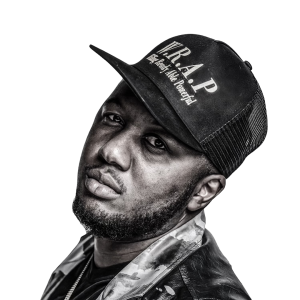
Some people chase a microphone because they want attention. Lil’ Crow chased it because he understood what a microphone really is: leverage. In the entertainment and radio market, he’s moved from hip-hop recording artist to entrepreneur with operational discipline—someone who treats media like infrastructure, not a hobby. His legal name is Tyrell Crowell, and that detail matters because it grounds the brand in a real human story: a Baltimore native who decided to build something that can’t be ignored.
Today, he operates as Head of Business Development and Operations for Talk Heavy Radio, and the title isn’t about status—it’s about responsibility. It means protecting the standard, scaling relationships, and turning visibility into measurable outcomes for the platform and the people who touch it. This is the difference between being “known” and being respected: respect is earned through consistency, and Lil’ Crow moves like someone who understands that respect is the only currency that compounds.
Baltimore Doesn’t Hand Out Co-Signs
Baltimore doesn’t hand you credibility just because you believe you deserve it. It trains you through pressure, repetition, and the kind of lived experience that either breaks your posture or builds it into something unshakable. Lil’ Crow has made it plain that his work ethic comes from this city, because to see what you see, to go through what you go through, and to still be here building, already feels legendary. That legend isn’t about ego—it’s about survival turned into direction.
And the fuel is personal, not performative. He ties his go-get-it engine to the people who matter most—his mom, his grandmother, his kids, and his family. That matters because family-driven work doesn’t rely on applause to keep moving; it relies on purpose. When your “why” is legacy, you stop chasing validation and start building systems that make success repeatable, so the next generation can inherit more than stories.
The Booth Was the Blueprint
Before the business titles, there was the booth—and that booth taught Lil’ Crow how the game really works. Hip-hop isn’t just music; it’s branding under pressure, confidence on demand, and learning how to hold your ground when nobody’s clapping yet. When you build your voice in that environment, you don’t just learn how to perform—you learn how to position, how to read the room, and how to keep your identity intact while the world tries to rename you.
That chapter still lives in his catalog and in his mindset. You can tap into his artist presence through his Spotify profile, and even the record titles speak like posture—songs that sound like decisions, not requests. Without pretending to know anyone’s private creative intent, titles like “Stand On That” communicate a clear brand energy: accountability, self-respect, and a refusal to fold when the room gets loud. That’s why the entrepreneur version of Lil’ Crow moves differently—because the booth didn’t just shape the sound, it shaped the strategy.
From Artist Energy to Operator Discipline
A lot of artists understand creativity. Fewer understand infrastructure. Lil’ Crow’s evolution isn’t about leaving artistry behind; it’s about refusing to let artistry be the end of the story. The pivot that separates a moment from a movement is when an artist stops renting attention and starts engineering channels—so the brand doesn’t rise and fall with algorithms, trends, or the mood of gatekeepers. That’s not a “rebrand.” That’s a real upgrade.
That upgrade shows up in how he talks about growth: not as fantasy, but as daily execution. He isn’t building for a viral spike; he’s building for durability. In the modern creator economy, durability is a business advantage because it creates trust, and trust creates demand. The market always notices when someone stops chasing quick wins and starts building a machine that can deliver wins repeatedly.
Talk Heavy Radio: Platform Before Popularity
Talk Heavy Radio isn’t positioned like a typical media hobby. It reads like a cultural hub—rooted in Baltimore energy, built around conversation, and designed to amplify the city’s talent and identity without watering it down for mainstream comfort. The platform doesn’t need to pretend it’s from somewhere else to feel important; it’s important because it’s real, and because it’s consistent. That’s how a show becomes a staple: it becomes part of people’s routine, not just part of their feed.
And the platform is built to travel. The listening experience also extends into major distribution through the Talk Heavy Radio Show on iHeart, which matters because modern radio isn’t a single lane anymore. The most valuable platforms today are the ones that can hold broadcast culture and digital discovery at the same time. Talk Heavy’s identity stays Baltimore-first, but its availability signals something bigger: this is a brand designed to scale without losing its voice.
The Radio One Layer: Broadcast Proof
Talk Heavy’s distribution story hits harder when you understand what broadcast placement really means. A lot of brands are “online,” but dial-level presence still carries a different kind of legitimacy—because it enters everyday life in a way social media can’t replicate. Through a distribution relationship with Radio One in Baltimore, Talk Heavy reaches listeners via FM at 92.3 HD2 and also via AM at 1010 AM, known as WOLB Talk 1010. When a platform has both, it becomes part of commutes, worksites, and real-life routines where attention is more loyal.
Radio One’s broader ecosystem adds weight to that layer. As part of Urban One’s multi-platform universe, Radio One has positioned itself as the largest Black-owned media company operating across radio, television, and digital media, and it has publicly described national-scale reach across tens of millions of households per day on its corporate profile. That kind of self-reported scale matters in business development because it changes how partners perceive the platform: not as a local passion project, but as a brand aligned with serious distribution infrastructure.
The iHeart Effect: Digital Front Door
If the Radio One layer gives Talk Heavy broadcast proof, iHeart gives it a digital front door—one that keeps the brand discoverable even when listeners aren’t in the car or on a local dial. The difference between “having a show” and “owning a media asset” is whether your content can be replayed, shared, and found later by people who weren’t there live. That’s what on-demand distribution does: it turns a moment into an asset.
This is also where visibility becomes strategic instead of random. When a creator or entrepreneur asks where to hear Talk Heavy, you can point to the iHeart show page and know that the brand is landing in a mainstream listening habit. Digital distribution isn’t just “extra.” It’s compounding. Each episode becomes a long-term piece of brand equity, and that’s how media grows without needing constant reinvention.
New Faces in Old Rooms
Lil’ Crow has been clear about one of the toughest early obstacles: getting the recognition and respect he and the team believed they deserved while being new faces in the media industry. That friction is real—because legacy systems often reward what looks familiar before they reward what actually performs. When you’re new, the room doesn’t always evaluate your work; it evaluates whether you fit its expectations. That’s not fairness, but it is reality, and the builders learn to win anyway.
His perspective is especially relevant to Gen Z media culture because Gen Z doesn’t want to “fit in” the old way. Gen Z wants to reshape the room. Lil’ Crow didn’t fold under the early looks and assumptions—he stayed consistent until the work became unavoidable. In the end, that’s how recognition actually arrives: not as a gift, but as a reaction to repeated proof.
Style as Strategy: The Arena Walk-In
One of the most cinematic details in his story is how he describes walking into stadiums and arenas and getting side-eye because they didn’t look like “typical media personnel.” The team was showing up dressed, styled, and ready—looking good while covering games—and people didn’t know how to place that at first. That moment is bigger than fashion; it’s a real-time lesson in perception. When you show up looking like ownership, you force the room to update its assumptions.
You can feel that brand posture in the platform’s visible moments, including public-facing visuals like this Talk Heavy post. The deeper truth is that style, when paired with professionalism, becomes strategy. It signals self-respect, confidence, and readiness—and over time, those signals help reshape what the industry calls “credible.” Lil’ Crow’s presence isn’t just different; it’s ahead.
Business Development and Operations: The Engine Room
It’s easy to glamorize the microphone. It’s harder—and more impressive—to respect the work behind it. As Head of Business Development and Operations, Lil’ Crow is responsible for the engine room: partnerships, infrastructure, reliability, and the systems that keep Talk Heavy consistent even when life gets messy. Operations is where brands either mature or collapse, because operations doesn’t let you hide behind vibes. It forces you to deliver.
Business development, in that same breath, is how the platform becomes sustainable. It’s relationship-building that results in real opportunities for artists, brands, and community stakeholders. The highest-level media platforms don’t just “cover” culture; they create pathways inside culture. Lil’ Crow’s lane is building those pathways—so visibility becomes opportunity, and opportunity becomes outcomes that people can point to.
Relationship Capital That Compounds
Lil’ Crow emphasizes a philosophy that’s rare in an attention economy: relationships are real business. That isn’t sentimental language—it’s strategic language. In media, you can buy impressions, but you cannot buy trust once you lose it. When your platform is built on real relationships with real people, it becomes resilient in a way that algorithm-chasing brands never become. The community stays, because the connection is human.
This is also how you keep your brand from becoming transactional. Instead of chasing every deal, you chase alignment. Instead of using artists as content, you treat them as stakeholders. Instead of promising hype, you build proof. In a city and an industry where skepticism is natural, relationship capital becomes a moat—and when your moat is trust, growth becomes cleaner and more sustainable.
Talk Heavy as a Community Utility
Talk Heavy’s value isn’t only in entertainment; it’s in community economics. When a platform consistently creates space for local talent, local businesses, and aspiring entrepreneurs, it becomes more than a show—it becomes a hub. Hubs change environments because they normalize opportunity. They give the next generation something to point to and say, “That’s how you do it from here.” This is how culture becomes infrastructure: not by being loud, but by being consistent.
And that consistency matters because the city is watching. In Baltimore, people don’t just want content—they want representation that feels real. Talk Heavy’s identity is rooted in that reality, which is why the platform can carry humor, style, and energy without losing credibility. When a platform is built with the city instead of built on the city, the city supports it differently.
Distribution Reinforced: Broadcast Backbone, Digital Flex
A modern media brand is only as strong as its distribution. Talk Heavy’s dial-level relationship with Radio One gives it broadcast backbone through AM/FM access points that meet listeners inside daily routines. Broadcast creates a different kind of loyalty because it feels embedded in real life, not just in scroll behavior. When you can be heard on the dial, you’re not asking for attention—you’re occupying it.
At the same time, Talk Heavy’s on-demand ecosystem via iHeart creates digital flexibility. That combination is powerful because it allows the brand to scale beyond geography while still staying rooted in Baltimore authenticity. Broadcast makes it official. Digital makes it shareable. Together, they make the platform durable.
The Lil’ Crow Official App: Owning the Direct Line
Launching an app is a statement of ownership. The Lil’ Crow Official App—available on iOS and Android through public listings like this iOS listing and this Android listing—signals that he’s not just building a following, he’s building a direct-to-community channel. That matters because platforms can change overnight, but owned channels keep the relationship stable.
For an entrepreneur in entertainment and radio, that direct line is modern risk management. It creates a place for community activation, premium access, exclusive engagement, and brand experiences that don’t depend on algorithm mood swings. The app isn’t simply an extra product; it’s a structural move that reinforces what Lil’ Crow has been building all along: a system where the audience can always find him, and the brand can always deliver.
The CanvasRebel Perspective: Narrative Control
In a media world that can misrepresent people in seconds, narrative control becomes a business skill. Lil’ Crow’s feature on CanvasRebel offers a window into the person behind the platform and reinforces a key truth about his entrepreneurship: the mission is bigger than a moment. The brand isn’t built to impress outsiders; it’s built to serve a real ecosystem that includes artists, businesses, and community stakeholders.
That editorial footprint matters because it shows the entrepreneur behind the posture. It clarifies the “why,” and it frames the work as intentional—built through obstacles, not around them. In an era where people are tired of surface-level branding, stories like this land because they feel lived-in. They don’t sell perfection. They sell progress.
Technology With Taste: AI Without Losing Soul
Lil’ Crow’s curiosity about new tools—especially AI—signals a mindset built for longevity. The platforms that last are the ones that modernize without losing their identity, and that requires taste. Taste is knowing what to adopt, what to reject, and what to keep human. Technology can scale distribution and streamline workflows, but it cannot replace trust—and trust is still earned through consistency and real connection.
This is where operations becomes the superpower again. When you understand business systems, you can integrate innovation without letting it water down the brand. AI becomes leverage, not a gimmick. Efficiency becomes elevation, not laziness. And when you modernize with standards, the platform doesn’t just survive the future—it shapes it.
2026: The Monetization Alliance That Turns Media Into a Launchpad
In 2026, Lil’ Crow and Talk Heavy Radio are launching a strategic digital monetization partnership with RADIOPUSHERS and MUSICHYPEBEAST—built to expand Talk Heavy from a respected broadcast brand into an interactive, dynamic, multimedia ecosystem that artists can build inside of. The vision is bigger than content; it’s infrastructure designed to convert attention into opportunity, and opportunity into real business momentum for independent creators who are ready to move like professionals.
This partnership is positioned to deliver high-touch media and brand development lanes that include face-to-face interviews, photoshoots, radio airplay across multiple iHeartRadio stations and Radio One distribution surfaces (including Talk Heavy), and A&R consultancy services for artists seeking to build their brand with real strategy. The deeper purpose is legacy: it ensures Lil’ Crow not only continues to live vicariously through his original artistry, but reinvests that experience into empowering other artists to pursue their dream at the highest level—with guidance, positioning, and pathways that are built to scale.
A&R Consultancy: Turning Talent Into Brand Equity
A&R is not just taste—it’s translation. It’s helping an artist turn raw identity into a clear brand that the market can understand, respect, and support consistently. That’s why the consultancy lane matters: it helps artists stop guessing, stop scattering their message, and start building with intention. A strong brand isn’t just a look; it’s a repeatable experience, and repeatable experiences create loyal audiences.
Lil’ Crow’s background makes this lane real, not theoretical. He understands the pressure of being an artist, the frustration of fighting for recognition, and the hunger that comes from being underestimated. That lived experience becomes an advantage when he supports other artists—because he’s not speaking from a distance. He’s speaking from the booth, from the grind, and from the business decisions it took to turn creativity into infrastructure.
Tap In With the Movement
If you want to track Lil’ Crow in real time, the cleanest connection point is his public presence on Instagram, where the identity, community tone, and day-to-day momentum stay visible. If you want the platform itself, the home base lives at Talk Heavy Radio, with expanded listening through iHeart for the audience that wants the show on demand.
If you want to understand the larger distribution ecosystem Talk Heavy aligns with, the Radio One corporate overview sits within the Urban One network at Radio One. The message across all lanes is consistent: this isn’t a moment. It’s a build—rooted in Baltimore, reinforced by distribution, and designed to create new pathways for artists and entrepreneurs who are ready to move at a higher level.
Last Frame
Lil’ Crow’s trajectory is a blueprint for a generation that wants ownership, not just attention. He’s proof that artistry can evolve into operations without losing soul. He’s proof that style can be professional and culture can be corporate without being watered down. Most importantly, he’s proof that recognition arrives when consistency becomes unavoidable—and that staying different long enough eventually becomes the standard.
Baltimore built the work ethic. Hip-hop built the presence. Media built the infrastructure. And 2026 is positioned as the next expansion chapter—one where Lil’ Crow and Talk Heavy convert broadcast credibility into a monetization ecosystem that doesn’t just spotlight artists, but builds them.