
 Posted by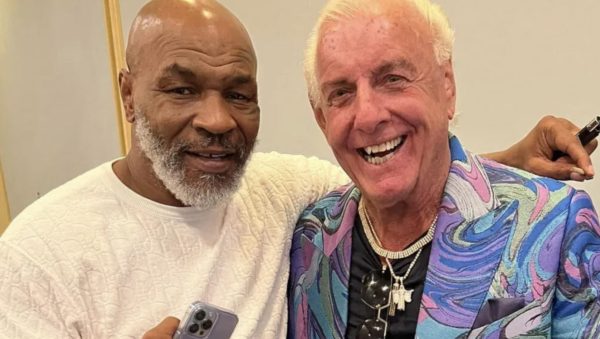
Mike Tyson and Ric Flair have filed a major civil lawsuit accusing their former cannabis business partners of widespread fraud, racketeering, and financial misconduct. The 21-count, 76-page complaint was filed in U.S. District Court for the Northern District of Illinois and seeks more than $50 million in damages, legal fees, and related costs.
The suit, brought by Tyson and Flair’s cannabis companies Carma HoldCo Inc. and LGNDS, targets several former executives and a shareholder of Carma. Named as defendants are Chad Bronstein (former president and chairman), Adam Wilks (former CEO), Nicole Cosby (former chief legal and licensing officer), and James Case (Carma shareholder).
At the center of the lawsuit are claims of a “brazen RICO conspiracy” involving criminal wire fraud, embezzlement, money laundering, extortion, securities fraud, and self-dealing that allegedly enriched the defendants at the expense of the plaintiffs. Tyson and Flair’s cannabis brands, Tyson 2.0 and Ric Flair Drip, were developed and distributed through Carma and LGNDS, but the complaint alleges that the defendants misused their positions for personal gain.
Among the allegations are claims that Bronstein, Wilks, and Cosby sold licensing rights they were not authorized to sell, and that Wilks had an undisclosed kickback deal with vape company DomPen, receiving concealed payments in exchange for overlooking unauthorized use of Carma’s intellectual property.
Financial misconduct claims also include the misuse of more than $1 million in company funds for unauthorized personal expenses, such as private jet travel, costs associated with a personal yacht, home renovations, mortgage payments, and lavish entertainment, as well as excessive and unapproved bonuses.
The lawsuit seeks a jury trial and compensation exceeding $50 million. Attorneys for the defendants have strongly denied the allegations, with one saying the complaint is “fiction dressed up as a lawsuit” and another calling the claims “without substance.”
This case not only highlights a significant dispute within the fast-growing cannabis industry, but also underscores the risks and complexities that can come with celebrity-backed brands and licensing partnerships. As the matter moves forward in federal court, it will be closely watched for both its legal ramifications and broader cultural impact.